
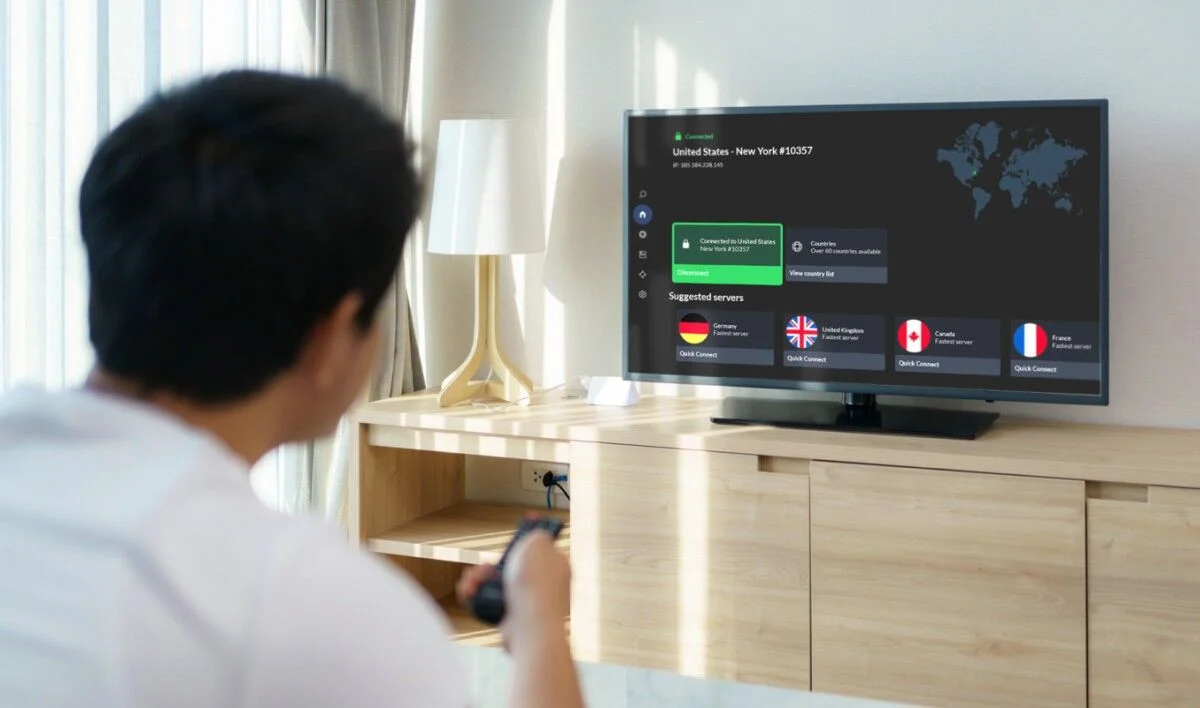

Every IPTV provider in 2026 claims to be the best. They all promise tens of thousands of channels, guaranteed 4K, and unbeatable uptime. The problem is that when a big sports event is airing and thousands of households are watching at the same time, most providers fall apart. The difference between a good IPTV provider and a cheap one shows up in exactly those moments.
This article is an honest comparison between Dodo IPTV and the two other categories you are likely to consider: budget IPTV providers and premium competitors. We will not pretend that Dodo IPTV wins on every metric. Budget providers are cheaper, and some premium competitors have larger international lineups. But on the four things that matter most for daily streaming quality, we genuinely believe Dodo IPTV is the right choice for the majority of households.
If you are choosing between services and want a clear recommendation, this article will give you one. If you are already a Dodo IPTV customer and want to understand the value you are getting, this will show you exactly what the service does better than the alternatives.
The Four Things That Actually Matter
Before we compare providers, it is worth being clear about what separates a good IPTV service from a bad one. Most review sites focus on channel count because it is easy to quantify. But the number of channels is not the thing that determines whether you enjoy using the service. The four things that actually matter are server infrastructure, 4K stability at peak hours, sports coverage, and support responsiveness.
Server infrastructure is the foundation. A provider running on dedicated bare metal servers can handle thousands of simultaneous 4K streams without degrading. A provider running on shared cloud hosting will deliver excellent quality at 10 AM and buffering during the Super Bowl. The infrastructure is not something you see when you subscribe, but it determines everything about the experience.
4K stability at peak hours is the second metric. Every provider can deliver 4K streams during off-peak hours. The test is whether the stream holds up at 8 PM Eastern on a Sunday during a major NFL game. This is where the difference between dedicated and shared infrastructure shows up immediately.
Sports coverage is the third. Every major provider carries ESPN, Fox Sports, and NFL Network. The differences appear in the deeper coverage: UFC Fight Pass, boxing PPV, Sky Sports, La Liga, AFL, NRL, and international football. A provider that misses any of these is missing content people actually want.
Support responsiveness is the fourth. This is the metric that providers hide, because it is difficult to fake. A provider that answers WhatsApp in under 3 minutes is a different experience from one that takes hours by email. During setup, during issues, and during billing questions, support responsiveness determines how much stress the service adds to your life.
| Metric | Dodo IPTV | Budget IPTV | Premium Competitors |
|---|---|---|---|
| Server infrastructure | Dedicated bare metal | Shared cloud | Mixed |
| 4K stability at peak | 60FPS no drops | Frequent drops | Generally stable |
| Sports coverage | Full incl. PPV | Major channels only | Full |
| Support response | Under 3 minutes | Hours or days | Varies |
| Live channels | 36,000+ | 10,000 to 20,000 | 40,000+ |
| Price range | $35 to $99 | $15 to $40 | $79 to $250 |
Dodo IPTV vs Budget IPTV Providers
Budget IPTV providers are the cheapest option on the market, and for some households they are genuinely enough. If you mostly watch on-demand movies and standard HD channels, do not follow live sports closely, and are comfortable troubleshooting your own setup, a $15 per month budget service can work fine. The trade-off is that when something goes wrong, you are on your own.
Where budget providers fall apart is during the moments that matter most. NFL Sunday afternoon. UFC main events. The NBA Finals. Premier League derbies. These are exactly the moments when shared cloud infrastructure struggles, and they are exactly the moments when a cheap provider will buffer. If sports is part of why you are considering IPTV in the first place, the small cost difference between a budget service and Dodo IPTV is worth paying.
Support is the second difference. Budget IPTV providers typically respond to support messages in hours or sometimes days. They rarely offer a WhatsApp channel. When your login does not work on a Friday evening before a big fight, you are stuck waiting until Monday. Dodo IPTV answers WhatsApp in under 3 minutes on average, 24 hours a day, 7 days a week, and the number is staffed by real humans.
Where Budget IPTV Wins
- Lower upfront cost: $15 to $40 per month vs $35 to $99 per plan
- Simpler interface: less setup, fewer settings to configure
- Good enough for casual viewers: if you only watch movies, the quality difference is minor
Where Dodo IPTV Wins
- Dedicated servers: smooth 4K during live sports events that break budget services
- Full sports and PPV: every UFC, boxing, and MMA pay-per-view included, no extra fees
- Instant support: WhatsApp response in under 3 minutes, 24/7, by real humans
- Free trial: test the service before paying, no credit card required
- No lock-in: prepaid plans that stop automatically with no auto-renewal
Dodo IPTV vs Premium Competitors
Premium competitors are the top tier of the IPTV market. They charge $79 to $250 per subscription, and their services often have slightly larger channel lineups and wider international coverage than Dodo IPTV. If you need channels from a specific smaller country that our lineup does not yet carry, a premium competitor might be the right choice.
Where Dodo IPTV competes with premium competitors is on the four metrics that actually matter. Server infrastructure is comparable, both running on dedicated bare metal with anti-freeze load balancing. 4K stability at peak hours is equivalent. Sports coverage is functionally identical, with both including every major sport and pay-per-view event. Support responsiveness is where we believe Dodo IPTV is genuinely better, with a 24/7 WhatsApp channel that premium competitors rarely match.
The pricing difference is the most obvious. A premium competitor may charge $250 for a single-year subscription on one screen. Dodo IPTV charges $65 for the same twelve months on the same screen, with the same channel lineup and comparable streaming quality. That is not a small difference. It is the difference between a service you recommend and a service you tolerate.
Which Provider Should You Choose?
If sports, live events, and streaming quality matter to you, Dodo IPTV is the right choice. Dedicated infrastructure, full sports coverage including pay-per-view, and instant WhatsApp support are the three things that separate a daily frustration from a daily delight. If you only watch movies casually and do not mind troubleshooting your own setup, a budget provider can work. If you have a specific international channel requirement that no other provider meets, a premium competitor may be worth the extra cost.
For most households, the recommendation is simple. Try Dodo IPTV with the free 24-hour trial, test it on the next big sports event, and compare it side by side with whatever you are currently using. If the experience is what we say it is, keep the subscription and save $1,500 to $2,100 per year compared to cable. If not, walk away with no cost and no commitment. That is the only honest way to compare IPTV providers in 2026.

What to Check Before You Commit to Any Provider
Whatever provider you choose, run the same four tests before you commit to a paid subscription. First, use the free trial to watch a live sports event in peak evening hours and check for frame drops. Second, send a support message and measure how long it takes to get a real human reply. Third, confirm the provider publishes their server locations. Fourth, verify that the subscription is prepaid with no auto-renewal and no contract.
Any legitimate IPTV provider meets all four standards. If a provider fails even one of them, walk away. That is the single most useful buying rule for the 2026 IPTV market, and it applies to us as much as it applies to every other provider on the market. Try our free 24-hour trial before you pay, and see for yourself what a properly run IPTV service actually feels like.
Frequently Asked Questions
05 QuestionsIs Dodo IPTV better than budget IPTV providers?
For households that watch live sports or expect responsive support, yes. Dodo IPTV runs on dedicated bare metal servers rather than shared cloud hosting, delivers stable 4K 60FPS during peak sports events, includes every pay-per-view at no extra cost, and answers WhatsApp support in under 3 minutes. Budget IPTV is cheaper but buffers during live sports and takes hours or days to respond to support messages.
Is Dodo IPTV cheaper than premium competitors?
Yes. Dodo IPTV charges $35 for three months, $45 for six months, or $65 for twelve months on one screen. Premium competitors often charge $79 to $250 for the same twelve-month period on the same screen. The channel lineup and streaming quality are functionally comparable, so the pricing difference is significant for most households.
What is the difference between dedicated and shared IPTV servers?
Dedicated servers are physical machines reserved for one IPTV provider, so every stream has guaranteed bandwidth. Shared servers are cloud hosting environments where multiple providers compete for the same resources. During peak hours, shared infrastructure slows down for everyone on it, which is why budget IPTV providers buffer during big events. Dodo IPTV runs on dedicated bare metal servers with redundant backup nodes.
How does Dodo IPTV sports coverage compare?
Dodo IPTV includes every NFL, NBA, MLB, NHL, UFC, college football, NASCAR, Formula 1, Premier League, La Liga, AFL, and NRL event. Every boxing and MMA pay-per-view is bundled at no extra cost. ESPN, Fox Sports, NFL Network, NBA TV, MLB Network, NHL Network, Sky Sports, and every major PPV provider are all included. Coverage is functionally comparable to premium competitors at a fraction of the price.
How do I test if Dodo IPTV is right for me?
Request the free 24-hour trial and test it on a live sports event during peak evening hours. That is the moment when the difference between dedicated and shared infrastructure is most visible. Send a WhatsApp support message and measure how long the reply takes. If the streaming is smooth during peak hours and support responds within minutes, the service is worth subscribing to. If not, walk away with no cost.
Our Honest Take
Every IPTV provider claims to be the best. The real differences between them show up only during the moments that matter most, which is why you should test any provider during a live sports event before you commit. Dodo IPTV was built for exactly those moments, with dedicated infrastructure, full sports coverage, and 24/7 WhatsApp support that answers in minutes instead of days.
If you want a provider that streams 36,000+ channels in 4K, includes every major sport and pay-per-view event, and answers WhatsApp within minutes, our subscriptions start at $35 for three months with no contract and no equipment fees. Test it with the free 24-hour trial, compare it side by side with your current setup, and decide with your own eyes. That is the honest way to choose an IPTV provider in 2026, and it is the way we recommend to every new customer.